Comforters are versatile bedding essentials designed to provide warmth and insulation while maintaining an appropriate level of breathability for varying sleep environments. They are typically filled with materials such as down, down alternative, or synthetic fibers, offering different levels of loft, weight, and warmth. Understanding fill power, warmth ratings, and fabric shell construction helps in selecting a comforter that matches sleep preferences and climate needs.
In the realm of bedding, comforters often feature a duvet-like outer shell and a fill inside that determines overall comfort. Common shell materials include cotton and blends, which balance softness and durability. The choice of fill—such as premium down or hypoallergenic alternatives—affects loft, heat retention, and ease of care, contributing to long-term comfort and usability.
Key considerations for evaluating comforters include warmth index, temperature regulation, and maintenance requirements. Lower tog or tog ratings indicate cooler performance, while higher ratings offer increased warmth for colder seasons. Many comforters are designed to be machine washable or easily laundered, supporting hygienic sleeping environments without sacrificing comfort.
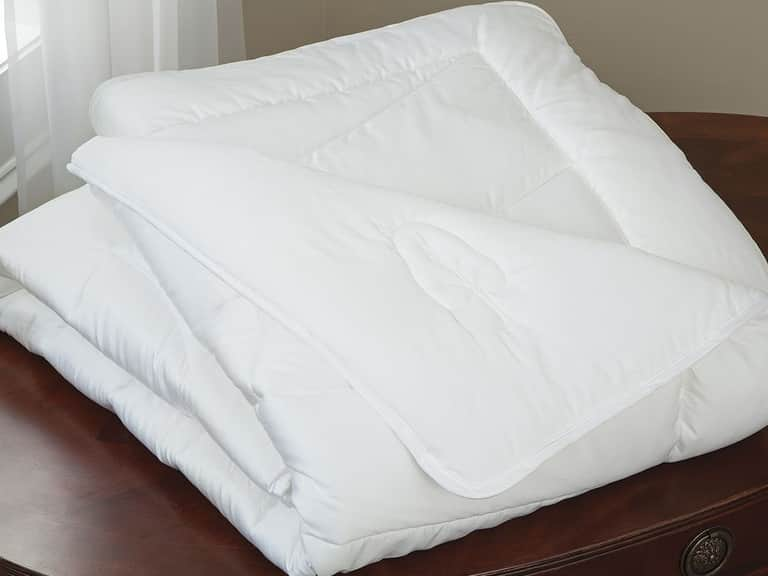
The DownTown Company Ecco Comforter exemplifies practical design with features aimed at comfort and functionality. Its construction emphasizes consistent loft, balanced warmth, and durable stitching to prevent cold spots. The fill type and shell fabric collaborate to deliver a stable sleeping surface, supporting restful sleep across diverse room conditions.
Within the comforter category, compatibility with additional bedding items such as sheets and pillows enhances overall sleep quality. Materials used in comforters influence moisture management and breathability, contributing to a comfortable sleep climate. By considering factors like fill type, warmth level, and care needs, users can identify comforters that align with personal comfort preferences and bedroom aesthetics.
 Bedding