Element Mattress
Experience all-night airflow and a responsive, breeze-friendly feel that cuts tossing and turning, while the four-way stretch knit cover moves with you for lasting comfort and durability.
Understand what mattress labels really tell you about construction, materials, and performance. This practical guide demystifies firmness ratings, cores, and fabric finishes to help urban shoppers make informed decisions.
In cities, sleep is both a daily necessity and a luxury. The pressure of deadlines, transit, and crowded living spaces makes the choice of a mattress more consequential than ever. The labels sewn into the fabric of a mattress—those obscure lines that look like a cipher—are not mere bureaucratic text. They are a map to comfort, temperature regulation, and support. By learning to read these labels, urban shoppers can separate marketing gloss from engineering reality, ensuring that the bed beneath them serves as a restorative sanctuary rather than a perpetual source of restless wakefulness.
To illuminate this topic, we’ll traverse three axes that matter most when interpreting mattress labels: materials, cores, and firmness. We’ll also meet three key voices across time who have helped shape our understanding of sleep—from a 19th-century inventor who tinkered with foam to a contemporary sleep-science communicator whose work has become a compass for urban dreamers. Along the way, we’ll reference a real-world product as a case study: the Element Mattress, an all-foam model built around breathable open-cell foam and Casper Breathe Flex Foam, wrapped in a four-way stretch knit cover. Its labeling is a vivid exemplar of how modern labeling tries to translate performance into readable signals for buyers navigating a metropolitan marketplace.
Mattress materials dictate how a bed feels, breathes, and lasts. Labels often break this down into top-layer foams, transitional foams, support cores, and covers. When you see terms like open-cell foam or breathable foam, you’re looking at how heat and moisture move through the mattress. The Element Mattress uses an all-foam construction with a top layer of breathable open-cell foam, paired with Casper Breathe Flex Foam for a responsive yet stable feel. The four-way stretch knit cover is designed to move with the foam layers, a small but telling detail about how the surface interacts with your body.
Liquidity and temperature management emerge as recurring themes in urban sleep. City apartments can trap heat, while long commutes and caffeine cycles can alter body temperature rhythms. Labels that emphasize cooling materials, moisture-wicking properties, and air circulation signal a product designed for urban living. In the case of the Element Mattress, the open-cell foam and breathable cover translate into a surface that attempts to keep you in a more comfortable thermal zone through the night.
Beyond foam, many beds emphasize other materials, such as latex or polyfoam blends, memory foam, or plant-based foams. The label will typically specify composition percentages, which matters for people with allergies or sensitivities. Organic or plant-based components, when present, are often highlighted on labels as a selling point, but the actual proportion matters. A label that proclaims “natural” or “organic” without specifics may deserve closer scrutiny. The urban shopper should look for transparent disclosure: the exact materials, their source, and any certifications (such as CertiPUR-US or OEKO-TEX) that speak to safety and quality.
The core is the bed’s backbone. The label will typically indicate the primary core type, with the option to note multiple layers or a hybrid construction. Innerspring cores use coils to provide support and can offer robust durability, but their feel depends on coil gauge, count, and zoning. Memory foam cores emphasize contouring and pressure relief, often delivering a slow, enveloping hug. Latex cores focus on responsiveness and durability, frequently delivering a cooler sleep surface and natural resilience. Hybrids blend these characteristics, layering different foams over a coil system to balance pressure relief and support with bounce.
For urban sleepers, the choice often hinges on a balance between contouring (for neck and back alignment) and temperature regulation (for those warm apartment nights). The Element Mattress leans into an all-foam paradigm, which tends to favor close conforming and quiet motion isolation, while still leveraging breathable topography to manage heat. When scanning a label, consider how the core type aligns with your sleep position, body weight, and the room’s climate control—these dynamics will determine your real-world experience more than any marketing claim.
Practical tip: if a label lists multiple foams, map their order from top to bottom and note any transitional layers. This helps you visualize how the bed will compress under your body at night. For those who sleep with a partner, consider motion isolation ratings and edge support. A strong perimeter edge can expand usable surface space, which is valuable in a smaller urban bedroom where every inch matters.
Labels rarely treat the cover as a mere wrapper. The surface fabric influences texture, cooling, and even allergy considerations. A four-way stretch knit cover, as used on the Element Mattress, is designed to move with surface foams to maintain a consistent feel across the sleep surface. Some labels also indicate antimicrobial treatments or moisture-wicking properties intended to enhance cleanliness and wear resistance. Modern urban bedding often touts breathable, temperature-regulating finishes that can contribute to a cooler night’s sleep in densely populated cores or high-rise dwellings.
On the practical side, sheet compatibility and washability are important. A cover that’s easy to remove for cleaning helps maintain a healthier sleep environment in shared or rented spaces where allergies or dust become daily concerns. Read the label’s care instructions and compare them to your laundering habits to ensure you can maintain the bed’s surface with minimal hassle after a long day in the city.
Firmness is perhaps the label’s most emotionally charged metric. Many brands use a numeric scale, old-school descriptors like “soft/medium/firm,” or a combination of both. The key is to understand what the rating correlates to in practice. A mattress’s firmness is not only about the surface feel—it reflects how the entire layer stack compresses under your mass, how heat affects the foam, and how long-term use might alter the sensation. For urban buyers with varying body weights or sleep positions, a mid-range firmness with good contouring and support across the torso tends to yield the most reliable night’s sleep.
The Element Mattress, with its all-foam construction, offers a specific interaction between pressure relief and support. If you favor a cradling sensation, you may appraise its surface as soft to medium. If you’re a stomach sleeper or someone with higher weight distribution in the hips, you might perceive the surface as firmer due to the foam’s resistance and the absence of a heavy coil network. The label’s firmness descriptor will guide you, but the best test remains your own trial—ideally paired with the retailer’s sleep trial or a personal 30-day at-home evaluation.
In the late 19th century, amid a surge of industrial innovation, Pankhurst explored early foam-like substances and their potential to soothe pressure. While the modern foam mattress would take shape decades later, his curiosity about cushioning materials foreshadowed the foam-centric design ethos that dominates contemporary mattresses like the Element. Pankhurst’s spirit—an insistence on material experimentation for comfort—resonates with today’s urban sleepers who seek sleep solutions that fit apartment life and surface-level realities of a city bed.
Whitmore popularized accessible sleep science through lectures and writings that translated complex research into practical guidance for the general public. Her work highlighted the importance of consistent sleep schedules, temperature control, and reducing wakefulness during the night. In the context of mattress labels, Whitmore’s legacy is a relentless push toward transparency and consumer literacy—an ethos echoed in the Urban Sleep Education Hub direction, which the bigcitymattress concept proposes to embody.
In the digital era, Kapoor has helped translate sleep science for urban professionals through accessible journalism, podcasts, and consumer guides. His emphasis on evidence-based, clear communication aligns with the non-promotional, educational tone of the chosen Direction A for bigcitymattress.com. Kapoor’s voice helps remind us that understanding mattress labels is not a niche pursuit but a practical skill for living well in a city where every hour of rest matters.
Together, these three figures—from a 19th-century tinkerer to mid-century science educators and contemporary communicators—frame a lineage of people who cared about how we rest, what we rest on, and how we talk about sleep in a way that is meaningful for urban life.
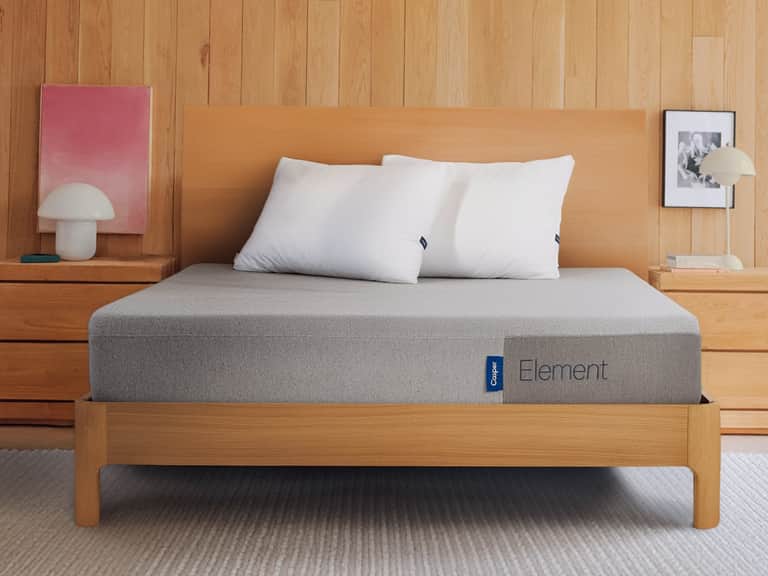
The Element Mattress, an all-foam model, embodies several label-driven cues that urban shoppers should parse. Its top layer, described as breathable open-cell foam, and its Casper Breathe Flex Foam signaling a responsive but supportive surface, illustrate how a label communicates a balance between pressure relief and bounce. The four-way stretch knit cover signals surface adaptability—the fabric is designed to move with the foam layers, preserving a consistent feel as you shift positions. The 10-year warranty mentioned in the product copy adds a durability signal that matters in a city where a bed can be a long-term investment amid rents and moving cycles.
From a textual perspective, the Element Mattress label presents a clean, comprehensible story: open-cell foam for airflow, a responsive mid-layer for ease of movement, and a stretch-knit cover that respects the surface’s coherence. The urban reader should ask: does this stack meet your sleep posture? Do you sleep hot, or do you want a mattress that adapts to different room temperatures? The label’s content helps answer by indicating both heat management (breathability) and responsiveness (less tossing and turning).
In evaluating a label like this, consider the following quick checks:
As the urban consumer navigates small apartments, short-term leases, and frequent moves, the label serves as a compact guide to reliability and daily comfort. It’s not a substitute for a full test—though a label can point you toward the likely qualitative experience, nothing replaces the tactile and proprioceptive feedback of lying down on the bed in person or in a generous trial window.
Despite the precision of labels, the real test remains in your own nightly experience. A practical at-home test is a 30-day arc: begin with the product’s recommended break-in period, track how quickly you fall asleep, how often you wake, and whether you wake with stiffness. Note temperature, moisture, and surface texture. If the label promises cooling or moisture management, compare your real-world experience with those claims over the month. To keep the analysis robust, maintain a sleep diary—record your bedtime routine, caffeine intake, exercise, and room conditions such as fan use or air conditioning. You’ll begin to see patterns that the label alone could not reveal.
In urban life, a 30-day window is enough to reveal whether a mattress supports your spine in neutral alignment. Proper alignment means the neck and hips are supported, while the shoulders and pelvis settle into the surface with comfort. If you wake with nagging pressure points or general fatigue, the label’s specified firmness might not align with your personal physiology.
For a city reader, an important practical takeaway is to pair your test with a retailer’s return or exchange window. The matinee of a small apartment sleep cycle might hide subtle discomfort that becomes more evident after several nights. The goal is to optimize both the subjective and objective markers of sleep quality—ease of falling asleep, awakenings, temperature comfort, and morning stiffness.
Understanding these terms helps urban shoppers associate label language with tangible sleep experiences. The goal is clarity, not obfuscation, and to bring sleep science into daily decision-making in the way a city dweller might approach transit maps or apartment layouts.
In the end, mattress labels are navigational aids for urban sleepers who crave reliable rest in crowded, dynamic environments. They translate engineering decisions into consumer-readable signals that help you select a mattress aligned with your sleep goals, your physiological needs, and the realities of city living. By reading labels with a critical, informed eye, you empower yourself to choose thoughtfully, avoiding marketing glitter while appreciating the genuine advances in sleep technology.
As the urban identity of bigcitymattress.com suggests, the goal here is not to sell you a bed but to guide your understanding of what lies beneath the fabric and foam. The site aims to be an educational hub: a space where foundational sleep science, materials, and practical testing converge in a calm, credible voice that suits the nuanced rhythms of city life. And while the initial focus may be label literacy, the door remains open to broader topics—from comfort science to sleep hygiene in the urban environment—so that readers can grow in their knowledge as their city grows around them.
To illustrate how product labels communicate construction, we present one sample product from a curated list. The Element Mattress (ID 4227) is a representative example of an all-foam design with a breathable open-cell top layer and Breathe Flex Foam for a responsive feel. Its four-way stretch knit cover complements the surface, enabling consistent response to movement. For urban shoppers, this label signals a balance of contouring, cooling, and surface adaptability, aimed at reducing tossing and turning—an appealing combination for city sleeping conditions.
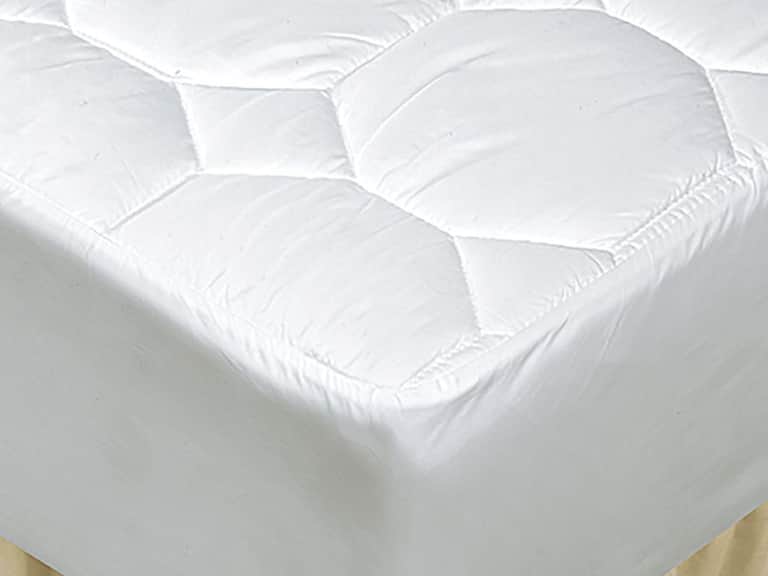
Another example is the Downtown Company Luxury Cotton Mattress Pad (ID 1845). While not a mattress itself, the pad’s label communicates a layered approach to comfort, with a plush cotton fill and a breathable cover, designed for a secure fit with 18" deep pockets. It helps you understand how textile components and construction choices influence overall sleep quality, particularly when used in an urban bedroom where space and maintenance are considerations.
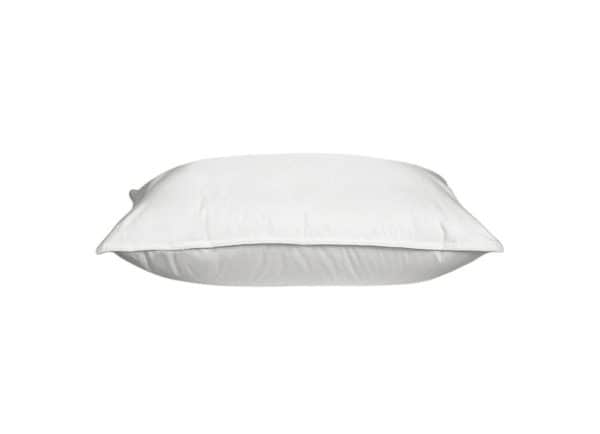
Finally, the Downtown Company Interior Reserve Pillow (ID 5009) embodies how label language can extend to ancillary bedding that supports overall sleep quality. Its dual-core design—soft outer goose down with a supportive inner core—addresses neck alignment and loft. Such detailing on a pillow label demonstrates how manufacturers translate ergonomic goals into product features that support upright posture and comfort during long urban nights.
Note: This article is part of an editorial exploration for urban sleep education. The images below illustrate selected products for reference.