City life furnishes a constant hum of stimuli: lights that never quite dim, sounds that never quite hush, schedules that never quite align with the sleep-wake clock. This is not merely a lifestyle quirk; it is a modern sleep ecosystem. In this essay, we explore how urban factors distort our rest, what psychology and physiology tell us about these disruptions, and how to sculpt a sanctuary in even the smallest apartment. We’ll also meet visionary thinkers from different eras who, in their own ways, grappled with the relationship between environment, body, and habit. Finally, we spotlight a product that embodies a thoughtful approach to sleep in the city: a customizable, organic mattress that honors both comfort and health.
Urban environments are engineered for visibility and velocity, but not always for quiet, darkness, or circadian alignment. Artificial light seeps into bedrooms through blinds that don’t quite block the glare of streetlamps, and even a slight glow from a hallway can perturb melatonin production. The ambient noise of late-night traffic, sirens, and the incongruent rhythms of neighbors can fragment sleep stages, producing days colored by fog instead of clarity. Yet the urban frame is not an enemy to sleep; it is a call to design smarter, more intimate spaces that respond to the psyche as a whole.
A growing body of sleep science shows that consistency matters as much as intensity. The brain loves predictability—regular bedtimes, consistent wake times, and a wind-down ritual signal the nervous system to prepare for rest. In cities, where spontaneity tends to be loud and unyielding, a deliberate routine becomes a form of rebellion against the chaos of urban life. This is less about asceticism and more about negotiation: choosing quiet, darkness, and temperature in ways that fit compact living spaces and rent-friendly budgets.
The urban bedroom can be a laboratory of minimalism and comfort. The essential aim is to reduce sensory input that interferes with sleep: light, heat, sound, and hum of electronics. A few strategic moves can transform a small space into a sanctuary that invites rest rather than shouts for attention.
In the apartment world, clever, economical choices matter more than splurges. Here are pragmatic steps to reclaim rest without upending your life.
The way a bed sits in a room influences ease of falling asleep and staying asleep. In urban spaces where every square foot counts, consider the following geometry tricks:
Two core ideas shape urban sleep: circadian alignment and sensory load. Circadian alignment depends on exposure to natural patterns of light and darkness, which in cities often break apart. Sensory load refers to the total of stimuli a person experiences; the more intense the load, the more likely sleep becomes a negotiation rather than a, well, surrender.
By understanding these principles, city dwellers can craft routines and environments that mimic natural cues, even when the city refuses to dim its glow.
Good sleep is not a 21st-century invention, and the urge to make space for rest is a thread that runs through history. Here are three influential figures from different eras who, in their own way, shaped how people think about sleep, environment, and well-being.
Huxley, a diarist of the psyche and a chronicler of modern life, reflected on how urbanity and modernity threaten the quiet of the mind. His observations about the sensory overload of contemporary life foreshadowed the cognitive effects of bright light, noise, and relentless pace. While not a sleep scientist, his essays on perception and the architecture of society illuminate how we might defend the inner chambers of rest.
From the mythic figures of antiquity to early medical treatises, humanity has long revered sleep as a domain where healing begins. In ancient Greece and Rome, sleep was framed as a close cousin to medicine—the body sought renewal in darkness, with ritual and ritualized spaces guiding the moment between wakefulness and dream. This lineage reminds us that cultivating a sacred sleep space is a timeless practice, adaptable to any urban microcosm.
Nightingale’s advocacy for sanitation and environment as health determinants resonates with today’s emphasis on sleep environment. Her insistence on light, air, and order in the hospital translates, by metaphor and method, into the modern home: a calm, clean, well-ventilated sanctuary is the first line of defense against insomnia born of urban disorder.
To bring theory into practice, we turn to voices in sleep medicine, wellness coaching, and urban design. Their insights help tailor the city sleep strategy to individual circumstances—from students in studio apartments to professionals in compact grid neighborhoods.
Dr. Maya Singh, a sleep specialist, emphasizes the importance of a consistent wind-down routine that signals the brain to transition from alert to rest. “Even in a busy city, rituals create sacred space in time,” she notes, highlighting the role of pre-sleep activities like gentle stretching, light reading, or a warm bath.
Urban designer Karim Alvi argues that interior design can reframe noise as a texture rather than a threat. “If you design a room that prioritizes sound dampening, air quality, and thermal comfort, the city’s noise becomes background music rather than an alarming siren,” he says, proposing modular, portable solutions for renters who cannot alter the building shell.
Therapist and wellness coach Elena Rossi focuses on the psychological dimensions: reducing cognitive load at night, managing stressors, and cultivating a bedroom identity that signals safety and rest. Her approach blends behavioral strategies with environmental tweaks—an approach well-suited to urban life where stress often travels with people on the nightly commute.
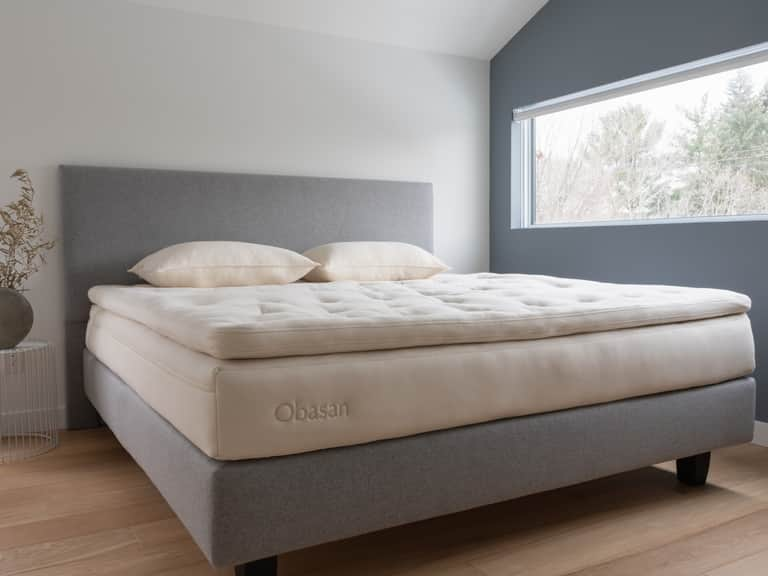
In the realm of mattresses, the quest for balance between support, comfort, and health becomes particularly acute in urban settings where space is at a premium and the air is rarely still. The Obasan Classic Organic Dunlop Latex Mattress embodies a philosophy of modular comfort and customizable support, a layering approach that reads like a quiet manifesto for urban sleep.
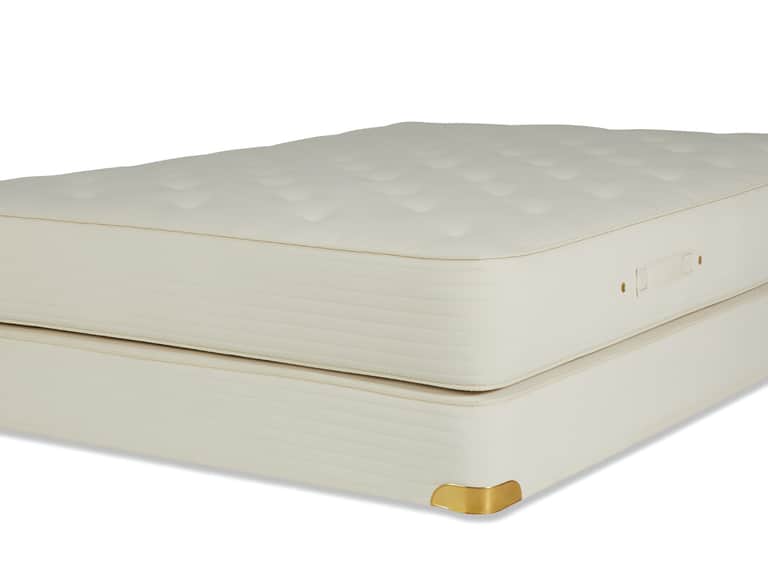
The Obasan Classic rests on a firm base layer, with a center customizable 4\" Dunlop latex core that can be tuned to personal preference, and a top 2\" soft layer to cradle pressure points. What makes this mattress especially resonant in a city context is its emphasis on organic materials and meticulous layering that can be adjusted to suit different body types and sleeping positions. The outer cover, a GOTS-certified organic cotton jersey quilted with wool, breathes with you, regulating temperature and reducing surface pressure. In a compact bedroom, a bed that can be dialed from plush to supportive offers the kind of adaptability urban living often demands.
Key features: 8\" height, 3-layer structure, customizable core, organic materials, 20-year warranty.
This model, and its zoning, invite a listening approach to sleep: you can shift just the middle cores to address changing comfort needs across seasons or life stages. For urban dwellers who often face a changing environment—renter movement, noise, and varying temperatures—such modularity offers a form of rest that can bend to circumstance without breaking the core sleep ritual.
Care guidance for Obasan emphasizes spot cleaning and regular rotation of internal layers to maintain performance—an act of maintenance that mirrors the daily chores of city living: keep the apartment organized, keep the bed clean, and keep the routines intact.
A city sleep toolkit balances comfort, health, and practicality. The following selection illustrates how thoughtful products can anchor a restful bedroom without sacrificing space or budget. We include a prominent option from the Obasan line to illustrate a real-world example of customization and organic materials in urban bedrooms.
A customizable, 8-inch mattress with a firm base, a middle gold-standard latex core, and a soft top, wrapped in an organic wool-cotton quilt. A city-friendly sleep instrument that can be tuned to the sleeper’s needs.
Features emphasize 100% GOLS-certified organic Dunlop latex, a GOTS-certified organic cotton jersey cover, and organic wool to regulate temperature. Its layered construction supports different sleeping positions and body types—all within a compact footprint that urban life often demands.
Warranty: 20 years. Care: spot clean, rotate layers, avoid direct sun. The Obasan mattress is crafted for a long-term relationship with rest, one that can gracefully adapt to the shifting rhythms of city life.
Learn more about Obasan ClassicA compact, organic option designed for restless city dwellers who travel or frequently change sleeping locations. The Naturepedic Travel Pillow blends organic cotton and latex with a breathable profile, ideal for urban sleep on the go.
Dimensions and materials are crafted to maintain airiness and comfort, with vegan certification and organic construction that suits sensitive sleepers in small apartments where every material choice matters.
View Travel PillowIf you’re drawn to a broader urban-living perspective, the travel pillow is a microcosm of a larger trend: prioritizing non-toxic materials, breathable textures, and flexible shapes that honor mobile urban lives. This is not merely about comfort; it is about preserving a sense of calm and continuity in a place where every night might be different.
Urban life can feel like a perpetual audition for distraction. Yet, sleep is not a luxury but a necessary instrument of health and creativity. By understanding the city’s impact on our rhythms and by designing bedrooms that counterbalance light, sound, and temperature, we reclaim a quiet, restorative space that belongs to us. The city is loud; our bedrooms do not need to be.
In this exploration, we did not merely catalog tips but offered a narrative about how time, space, and material choices converge to shape our nights. We encountered thinkers and practitioners across eras, who remind us that rest—like architecture, like culture, like life itself—requires thoughtful design and patient attention. The night, when respected, becomes the city’s most intimate collaboration with the self.
Published: August 5, 2026