Urban Sleep Hygiene: Creating Calm Nights in a Busy City
Explore practical, city-focused sleep strategies to reduce nightly noise, light, and wake-ups. From urban design cues to intimate bedroom adjustments, discover evidence-based, approachable ideas to foster deeper, more restorative sleep in metropolitan life.
City life is a perpetual hum: sirens at dusk, neon tides through blinds, and a clock that never truly stops ticking. In this bustling theater, sleep becomes a counterintuitive act of revolt—a quiet rebellion in the face of constant stimuli. Yet sleep in urban environments is not a lost cause. It is a discipline, a ritual, and in its own right a civic act of self-care. This piece threads together practical techniques, design-minded observations, and voices from different eras who have grappled with the art of rest, weaving them into a framework for better nights in big cities.
The core idea rests on three movements: taming the external environment (noise, light, temperature), shaping the intimate microclimate of the bedroom, and cultivating pre-sleep routines that invite calm even when the city roars outside. We borrow from sleep science—especially the evidence around circadian alignment, melatonin, and sleep pressure—and translate it into accessible steps that urban dwellers can implement today.
1) The City as a Sleep Influencer: Understanding the Environment
Urban environments are uniquely powerful in shaping sleep. Light pollution blurs the natural boundaries between day and night; ambient noise seeps through walls; and microclimates within apartments can skew temperature expectations. The first order of business is to map your personal sleep boundary against these urban forces and then choreograph a response that is simple yet enduring.
Consider the city’s 24/7 heartbeat as a background chorus, and your bedroom as a front-row seat. The goal is not to erase the city’s character but to insulate your sleep from its most invasive notes. The strategies below are designed to be incremental, affordable, and adaptable to different apartment layouts and budget constraints.
2) Light: The Quiet Architect of Night
Light is the most potent cue for circadian timing. In a metropolis, light leaks from street lamps, building facades, and even electronic devices. The following steps help you curate a light environment that nudges your body toward nighttime signals when you intend to sleep.
- Invest in layered window treatment: blackout curtains paired with a light-blocking valance can dramatically reduce streetlight intrusion. If curtains are not feasible, consider a blackout window film and a breathable sleep mask for variable nights.
- Optimize screen-time exposure: set a digital curfew, ideally two hours before bed. When you must use devices, enable blue-light filters and lower brightness to ease retinal stimulation.
- Establish a lamp protocol: use warm-toned lights in the hours leading to bedtime. Avoid harsh overheads; indirect lighting creates a gentler pre-sleep atmosphere.
- Consider dawn simulation: a gentle, programmable wake light can prime your body for morning light without jolting you awake due to city noise or neighbor activity.
3) Sound: Designing a Quiet Room in a Noisy World
For many city residents, noise is less a nuisance than a constant character. The aim is to reduce, not erase, noise, making sleep more resilient against disturbances.
- Seal the gaps: weatherstripping around doors, window sweeps, and door sweeps can dramatically cut external ingress of nightlife and traffic.
- Layered acoustics: soft textiles—curtains, carpets, and upholstered headboards—absorb sound. A heavy duvet or quilt can act as an additional buffer against nocturnal clatter.
- White noise as a friend: a steady, soft sound can mask sporadic city noises. If you prefer silence, consider a fan or a dedicated white-noise machine at a low volume.
- Sound zoning: place your bed away from the most exposed walls when possible. A bookshelf, a fabric-covered partition, or even a modular screen can become a discreet sound barrier.
4) Temperature: The Invisible Regulator
Temperature is the silent conductor of sleep. In urban dwellings, heating and cooling systems can create temperature fluctuations that wake you or disrupt the architecture of your rest. A stable, slightly cool environment often supports deeper sleep stages.
- Target a bedroom temperature around 60-67°F (15-19°C), adjusting to personal comfort. Use breathable bedding to manage heat and moisture.
- Layer your bedding so you can modulate at night without fully waking. A light blanket or breathable duvet can be added or removed as needed.
- Ventilation matters. If you can, crack a window for a controlled amount of fresh air during the early part of the night, then restore a sealed environment later on.
5) The Bedroom Aesthetic: Calm Space, Clear Mind
Urban apartments often collide with art, clutter, and personal electronics. A sanctuary requires intention more than expense. The following design cues emphasize a calm, uncluttered space that signals the brain to rest.
- Minimalist palette: consider a muted color scheme with soft neutrals and a single, comforting accent hue. The goal is to avoid visual overstimulation while preserving warmth.
- Texture over theme: layered textures—cotton, wool, linen—provide tactile comfort and visual depth without demanding attention.
- Functional serenity: keep surfaces clear, reduce the number of active devices in the room, and designate a discreet charging corner.
6) The Sleep Toolkit: Practical Additions that Help
There are small, tangible items that, while not turning a city into a silent retreat, can significantly improve sleep quality. These are the kind of things you can reach for without leaving your apartment or interrupting your budget.
- Smart textiles: breathable, natural fabrics that wick moisture and regulate temperature can stabilize your sleep surface.
- Quality pillow and mattress support: a comfortable, well-supported head and spine alignment reduces awakenings and discomfort.
- Bedroom routines: a predictable pre-sleep routine signals to your body that the day is ending, even if the city isn’t.
7) When Sleep Becomes a Shared Urban Issue
Not everyone sleeps alone, and urban living often means shared walls, floors, and schedules. A considerate sleep strategy extends to neighbors and roommates. Quiet hours, fair-lade scheduling, and tactful communication about noise can transform a neighborhood into a network that rests as well as it works.
8) People from Different Time Periods: Three Key Voices
Sleep thoughts cross centuries, and the way we sleep in cities has always carried echoes of the past. Here are three figures from distinct eras, whose insights—rituals, routines, and environments—still illuminate our modern urban slumber.
-
Hypnos and the Greek Night (Ancient World)
In ancient Athens, the city’s rhythm was not measured by streetlights but by the cycles of daylight, season, and market life. The idea of structuring life around a sleep-friendly pattern, with the day bookended by rituals and markets tamed by quiet dusk, resonates with our modern approach to rhythm. The urban sleep hygiene we embrace today owes a portion of its sensibility to such early conceptions of circadian order—the sense that the city’s tempo should yield to the body’s need for rest.
-
Jane Addams and the Quiet Rooms of Chicago (Industrial Era)
In the late 19th and early 20th centuries, Addams’ reform-minded projects insisted on safe, calm spaces within dense urban fabric. Her advocacy for social wellness translates today into the design of the bedroom as a personal shelter from the city’s fray. The idea of converting a modest room into a sanctuary—temperature control, light management, and quiet routines—echoes through contemporary urban sleep strategies and underscores the moral geometry of restful living in crowded cities.
-
Contemporary Urban Health Thinkers (21st Century)
Today’s urban health professionals emphasize sleep as a central pillar of wellness—sleep hygiene as a public health instrument. From sleep researchers who advocate consistent bedtimes to designers who reimagine urban housing with acoustic zoning and climate-aware bedrooms, the modern city is learning to cradle rest with more intention. The convergence of science, design, and lifestyle guidance creates a practical, compassionate framework for nocturnal life in contemporary megacities.
9) A Concrete Case: The Obasan Classic Mattress as a Sleep Partner
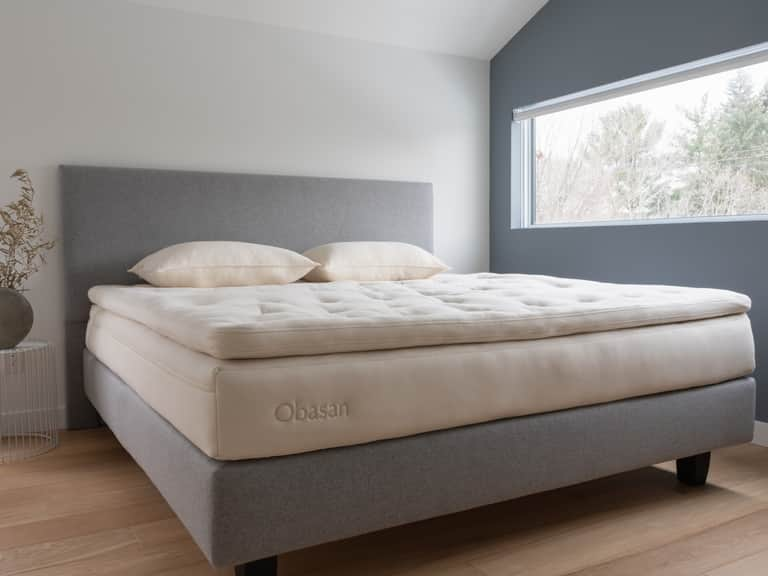
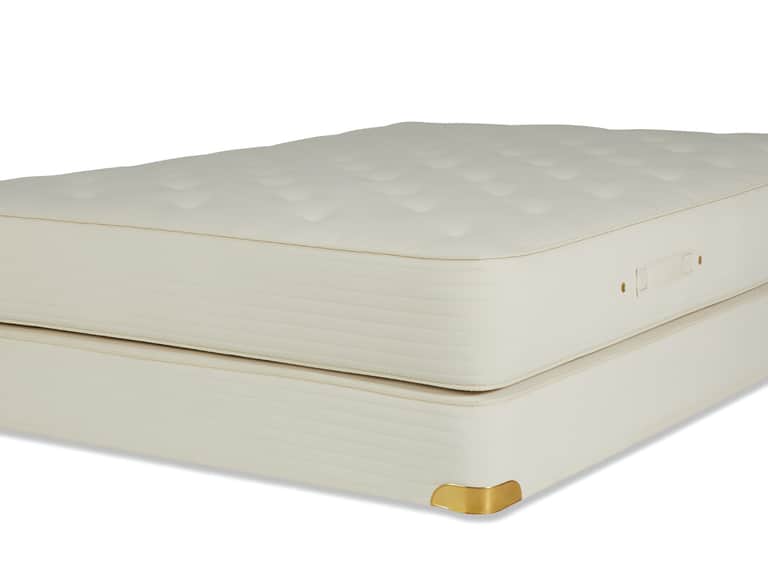
In the architecture of a good night, the bed is the stage, and its components are actors. The Obasan Classic Organic Dunlop Latex Mattress stands out as a compelling example of urban sleep pragmatism. Its 8-inch height, customizable 4-inch center core, and a soft topper reflect a philosophy of layering—an approach that parries the city’s constant wakefulness with adaptability and tailored support. The latex layers, coated with a GOLS-certified organic cover and a wool interior, regulate temperature and pressure with an almost domestic grace. For city dwellers who negotiate small spaces and variable schedules, this modular design offers a chance to engineer comfort without sacrificing practicality.
In a New Yorker voice: the Obasan mattress speaks not with the rhetoric of luxury alone but with a quiet confidence that comfort can be engineered—layer by layer, with attention to material truth and human need. It is the kind of product that feels like a faithful ally in the ongoing conversation between urban life and restful nights.
For our readers who prefer a concrete example of urban sleep optimization, the Obasan Classic is more than a mattress; it is a framework for a bedroom designed to respond to the city’s relentless tempo. Its adaptability mirrors the way urban sleep hygiene asks for flexible routines, devices, and environments that can bend without breaking when life accelerates after dusk.
Image note: While we cannot render images directly here, imagine a neatly layered bed where each component—latex, wool, and organic cotton—sits with the calm of a well-composed sentence. The product embodies a philosophy of comfort achieved through thoughtful materials and intentional customization.
10) A Practical Blueprint: Implementing Urban Sleep Hygiene This Week
To translate theory into practice, consider this week’s micro-plan. It prioritizes small, sustainable changes that cumulatively lead to deeper rest.
- Day 1–2: Audit light and sound. Note where light leaks occur and which noises wake you. Introduce a light-blocking solution and place a fan or white-noise device by your bed.
- Day 3–4: Tweak the temperature. Adjust bedding and consider a breathable duvet. If you can, regulate the room to a cooler baseline and layer to modulate at night.
- Day 5–6: Create a pre-sleep ritual. A consistent routine—reading, warm beverage, gentle stretching—signals your body that sleep is near.
- Day 7: Revisit the bed itself. If possible, invest in a supportive mattress component, like a latex topper or an organic wool layer, to fine-tune pressure relief and temperature regulation.
A Coda: The Ethos of Urban Sleep
Sleep in a city is not an escape from life’s complexities but a disciplined re-centering of one’s body within those complexities. The urban sleep hygiene we advocate combines practical adjustments, design sensibilities, and a reverence for quieter moments—moments that allow the mind to rest and the body to reset. In a metropolis that shouts, sleep speaks softly but with undeniable authority: it is the condition that makes all the city’s possibilities legible, sustainable, and worth pursuing after dark.
As you brave the nights of a busy city, remember that your sleep is not a retreat from reality but a performance of care. It is a quiet achievement that gives you the stamina to navigate the day’s demands, to engage with neighbors and colleagues, and to wake ready for the next chapter of urban life.
Product Spotlight: A Concrete Choice for Urban Sleep
Among the catalog of thoughtful sleep aids, one product stands out for its alignment with the urban sleep philosophy: the Obasan Classic Organic Dunlop Latex Mattress. This mattress embodies a layered, customizable approach that suits diverse urban families and individuals—precisely the kind of flexibility required by city living. It combines a firm base with a customizable middle core, and a soft top, all encased in organic cotton and wool. For city dwellers who experience varying sleep needs due to shifts in work schedules, stress, or seasonality, its modular design allows you to tailor your comfort without replacing the entire bed. Its environmental certifications and flame-test compliance add a layer of reassurance that is often valued by urban consumers who seek both health and accountability.
For those who wish to explore in situ, imagine a bedroom anchored by a mattress that remains calm under a bustling urban ceiling—an anchor in the city’s tide. The Obasan Classic’s promise of temperature regulation, pressure relief, and long-term durability makes it not simply a mattress, but a practical instrument for urban sleep hygiene.
Note: The discussion here is not simply about luxury. It is about accessibility, realism, and the way a well-chosen bed can support disciplined sleep routines in the city’s unpredictable rhythms.
References to Time and Era: A Quick Reading List
- Ancient rhythms and city life as a template for modern circadian care
- Industrial-era urban reformers who valued calm spaces for health and productivity
- Contemporary sleep scientists and designers who translate research into home practice
Meta Details and Keywords
This article aligns with urban sleep themes and city-focused sleep hygiene. It engages with keywords such as: urban sleep, sleep hygiene, city living sleep, bedroom setup, noise reduction, light control, and sleep routines. The piece also reflects on the practicalities of integrating a product like the Obasan Classic Organic Dunlop Latex Mattress into a city bedroom, illustrating how a single curated item can anchor a broader sleep strategy.